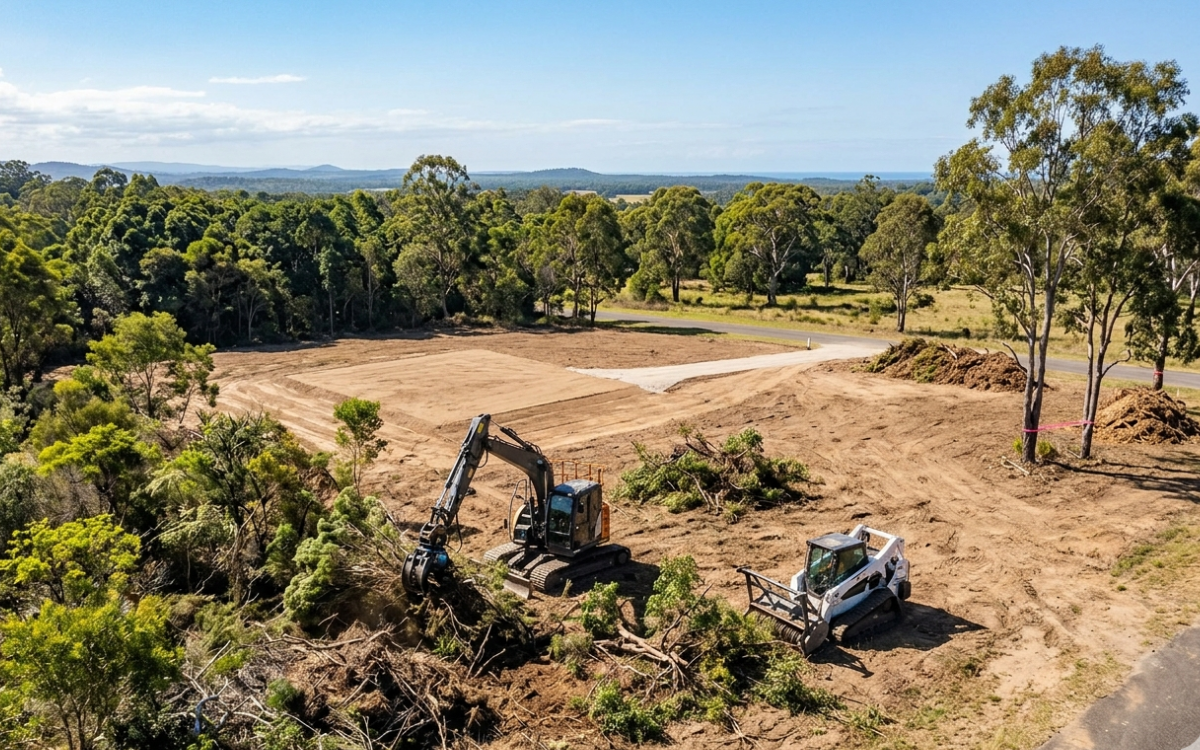
A block of land can look full of promise one day and like a tangled jungle the next. That is exactly where Land Clearing & Site Clearing comes in. Done well, it turns a hard-to-read patch of ground into a clean, usable space ready for a build, a shed, a driveway, a garden, or a full property makeover.
Done badly, it can chew up your budget, leave a mess, and create headaches you did not need in the first place. For property owners in Wide Bay, the job often feels a bit more personal. You are not just clearing sticks and scrub; you are preparing land for the next big thing in your life.
That might be a new home, a rural improvement, a safer access track, or a better-looking block that finally feels under control. For a practical starting point, take a look at my Expert Land Clearing & Site Clearing Service in Melbourne.
It is a useful reference for understanding how a proper clearing service should feel: organised, efficient, and built around the land itself.
Land clearing vs site clearing: what is the difference?
People often use these terms like they mean the same thing, but I like to keep them separate.
Land clearing usually refers to removing vegetation, trees, scrub, stumps, and overgrowth from a larger area.
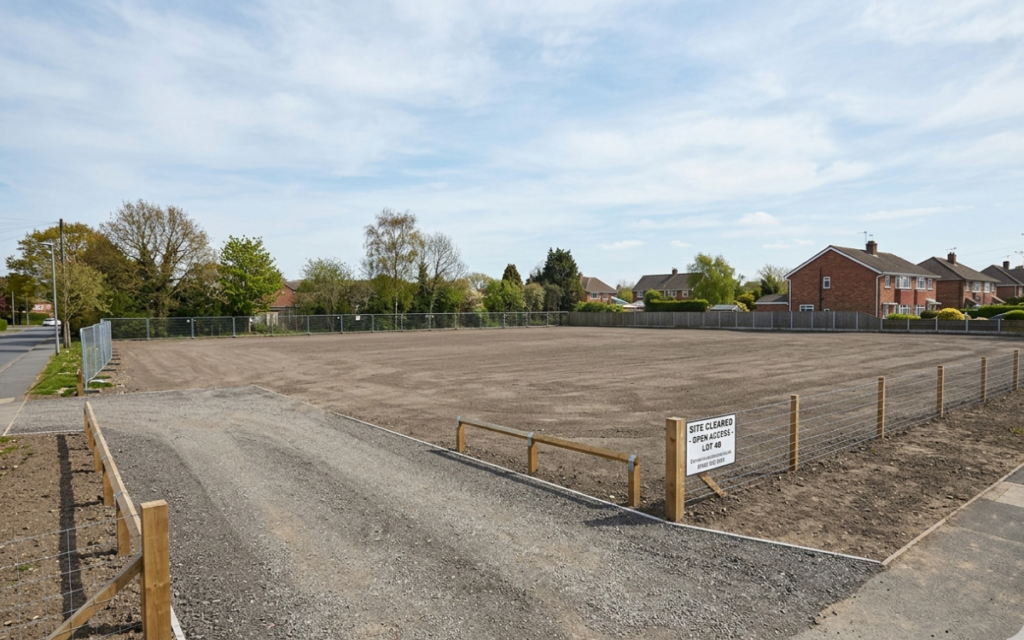
Site clearing usually focuses on preparing a specific work zone for construction, access, drainage, or landscaping.
In simple terms, land clearing gets the property ready. Site clearing gets the exact work area ready.
That difference matters because the job changes depending on your goal. A rural block, a residential allotment, and a commercial site all need a different approach. You would not use a sledgehammer to crack a macadamia, and you would not clear a half-acre block the same way you would prepare a house pad.
Why Wide Bay property owners clear land in the first place
Most people do not clear land for fun. They do it because the land needs to work for them.
Common reasons include:
- building a home or shed
- creating access for machinery or vehicles
- reducing fire risk around the property
- improving drainage and runoff control
- opening up space for landscaping or fencing
- removing invasive growth that keeps coming back like an unwelcome cousin
- preparing a block for resale or development
In Wide Bay, I would always think about moisture, vegetation regrowth, access, and timing. A site that looks dry and easy in one season can turn slick, heavy, and stubborn after rain. So, I always treat Land Clearing & Site Clearing as part planning, part execution, and part common sense.
What to check before you clear anything
Before you start, step back and look at the block properly. I always suggest you ask these questions first:
- What do I actually want the land to do after clearing?
- Do I need full clearing or just a clean working area?
- Are there trees I should keep for shade, shelter, or stability?
- Is there drainage, slope, or erosion risk?
- Will machinery fit safely on the block?
- Do I need to think about stumps, roots, or rock?
- Am I clearing for a build, bushfire management, or general tidy-up?
That little planning stage saves a lot of drama later. It also helps you avoid the classic mistake of clearing too much. I have seen people start with a neat idea and end up with a barren patch that feels hotter, harsher, and harder to manage. Nature, as it turns out, enjoys a comeback tour.
A simple breakdown of common clearing jobs
| Clearing job | Best for | Watch-outs |
| Light vegetation removal | Small blocks, tidy-ups, access paths | Regrowth can return fast if you skip follow-up work |
| Stump and root removal | New builds, driveways, slab prep | Needs the right machine and proper disposal |
| Full site clearing | House pads, sheds, larger developments | Requires careful planning, levelling, and access control |
| Selective clearing | Keeping shade trees or habitat areas | Needs a sharper eye so you do not over-clear |
| Firebreak clearing | Bushfire preparedness | Needs attention to local rules and property layout |
This is where Land Clearing & Site Clearing stops being a buzz phrase and starts becoming a real project. The right method depends on the land, the end goal, and how much neatness you want left behind. I always say the best clearing jobs look almost boring when they are done properly. That usually means someone planned well.
How the clearing process usually works
A clean clearing job normally follows a logical order.
- Walk the site
I look at the slope, access, tree cover, underground risks, soft ground, and anything that could slow the job down. - Mark what stays and what goes
This step matters more than people think. A few marked trees, boundary notes, or “do not touch” zones can save trouble later. - Choose the right machinery
A small tidy-up does not need the same gear as a larger rural block. Good matching saves time and fuel. - Clear the vegetation
This can include mulching, pushing, cutting, grubbing, or a combination of methods. - Remove stumps and debris
A site is not truly clear until the leftovers are handled properly. Loose timber and root balls can get in the way fast. - Level and tidy the ground
This gives you a practical finish and helps with drainage, access, and the next stage of work. - Inspect the result
I always like a final walk-through. It is the easiest time to catch something before it turns into a problem.
Costs, timing, and what changes the price
No two sites cost the same. That is the honest answer.
The final price usually depends on:
- the size of the area
- how thick the vegetation is
- whether stumps need removal
- how easy it is for machinery to access the site
- whether the ground is flat, sloped, wet, or rocky
- how much debris needs to be moved
- whether the job needs levelling or extra finishing work
Timing matters too. Wet ground can slow everything down. Dense growth can take longer than expected. Hidden rocks and stubborn roots can turn a straightforward job into a longer one. That is why I always prefer a proper site check before anyone starts promising a quick and easy finish.
Mistakes people make with land clearing
A lot of clearing problems start with a rushed decision.
Here are the big ones I see:
- clearing without a clear end goal
- removing too much vegetation
- skipping stump removal and regretting it later
- ignoring drainage and runoff
- choosing the wrong equipment for the block
- not planning for follow-up maintenance
- forgetting that access matters just as much as the clearing itself
Land Clearing & Site Clearing should feel controlled, not chaotic. If the plan looks like “clear everything and hope for the best,” I would hit pause. The best jobs leave the land usable, stable, and ready for the next step.
What the rules and approvals can mean for you
This is the part too many people skip, and it can bite later.
Before clearing, I always check what the land contains, what the clearing is for, and whether any approvals might apply. The Australian Government explains that land clearing includes removing native vegetation for things like houses, roads, mines, and other development, and it also notes that some clearing now needs approval under national environmental law. You can read the current guidance here: Australian Government land clearing updates
That matters because a clean-looking block does not always mean a simple legal path. If native vegetation, protected areas, or sensitive land are involved, a bit of homework now can save a very expensive lesson later.
Why professional clearing often makes the smarter choice
A good clearing team does more than drive machinery around a paddock. When it comes to Land Clearing & Site Clearing, a good team reads the land, not just the job sheet.
That means:
- choosing the right method for the site
- protecting the parts of the property that should stay intact
- finishing the ground so you can actually use it
- reducing avoidable damage
- saving you time, stress, and repeat work
With proper Land Clearing & Site Clearing, every move has a purpose. It is not just about clearing space, it is about shaping the land so it works for you long after the machines leave.
I like to think of it this way: anyone can make a mess with heavy gear. The real skill lies in leaving the land better than you found it.
Conclusion
Land Clearing & Site Clearing is really about preparing opportunities. Whether you are planning a build, improving access, managing vegetation, or getting a block ready for resale, the right approach makes the whole property feel more usable and more valuable.
If you are in Wide Bay and you want the job done properly, start with a clear plan, check the site carefully, and treat the land with respect. That is how you avoid costly mistakes and get a result that actually works.
If your property needs a proper clear-out, get a professional site assessment and map out the job before the first machine rolls in. Your future self will thank you.
FAQs
1. What is included in Land Clearing & Site Clearing?
It usually includes vegetation removal, stump work, debris cleanup, and ground preparation. The exact scope depends on the block and your end goal.
2. Do I need permission before clearing my land?
Sometimes, yes. It depends on the land type, the vegetation, and the purpose of the work. I always recommend checking before you start.
3. What is the best time of year for clearing in Wide Bay?
The best time depends on weather, access, and soil conditions. Dry periods often work better because machinery moves more easily and causes less damage.
4. Can I clear just part of my property?
Absolutely. Selective clearing often makes the most sense, especially when you want to keep shade trees, shelter belts, or stable ground cover.
5. Why should I remove stumps instead of leaving them?
Leaving stumps can cause problems with mowing, building, drainage, and future regrowth. Full site clearing gives you a cleaner finish.
6. How do I know if my site needs full clearing or just a tidy-up?
Start with your end goal. If you need a build-ready pad or access track, you may need full clearing. If you only want the block neater, lighter work may be enough.
7. What makes professional land clearing worth it?
A professional team helps you choose the right method, avoid unnecessary damage, and finish the site properly so you can move on with the next stage of your project.