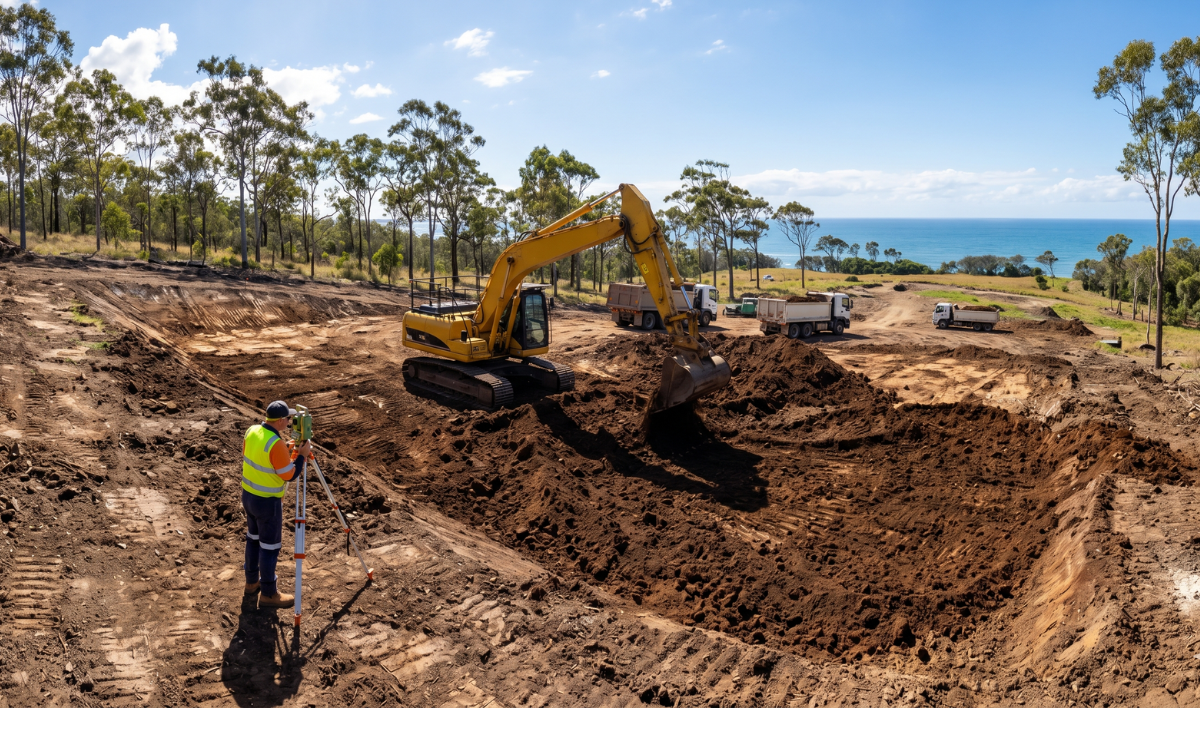
Earthworks might look simple from the fence line. A few machines roll in, the ground gets moved around, and suddenly a blank block starts looking like a real building site. But behind that smooth finish sits a whole stack of planning, timing, and precision.
If you skip a step, the whole project can wobble like a wonky wheelie bin on a Friday arvo. I like to think of Earthworks as the part of construction that quietly decides everything else. It sets the tone for drainage, slab quality, access, safety, and even how long the rest of the build takes.
In Wide Bay, where weather and soil conditions can change the mood of a site pretty fast, getting this stage right matters more than people realise.
If you are comparing crews, I would start with Affordable Earthworks Services in Wide Bay. The right team will not just move dirt. They will read the site, plan the levels, and help you avoid expensive headaches later on.
Why Earthworks Matter Before Anything Else
Before a slab goes down or a trench gets dug, I always look at the ground first. That is where the whole project either gets a solid start or picks up problems that never quite go away. Good Earthworks help you build on a stable base, manage water flow, and create access for trades without turning the block into a mud pit.
On a construction site, Earthworks usually shape three big things:
- the ground level and fall
- the drainage path
- the stability under the structure
That sounds simple, but it is the kind of simple that saves money. A well-prepared site means fewer delays, less rework, and a much cleaner handover at the end.
Step 1: Site Check, Survey, and Planning
Every solid Earthworks job starts with a proper look at the site. I never rush this part, because the ground tells you more than any guess ever will. Survey pegs, site levels, access points, boundaries, and existing structures all need attention before the first bucket bites in.
At this stage, the crew checks:
- site boundaries and setbacks
- existing slope and drainage
- soil type and moisture
- access for machines and trucks
- underground services and overhead hazards
A clear plan keeps the job moving in the right direction. It also helps everyone on site understand what comes next, which sounds boring until someone digs where they should not. Then it becomes very exciting, very quickly.
Step 2: Site Clearing and Strip-Out
Once the plan is set, the site needs a clean slate. That means removing grass, topsoil, small trees, rubbish, old slabs, and anything else that does not belong in the final build. This is one of those Earthworks stages that looks fast, but it needs care.
The top layer often holds organic material, roots, and soft soil. If you leave that in place, it can settle later and cause movement under the structure. That is why a proper strip-out matters so much.
I also like to see the site kept tidy during this stage. A messy block wastes time, slows machines down, and makes safety harder to manage. Clean edges, clear stockpile areas, and smart truck movements all make the Earthworks phase run smoother.
Step 3: Cut, Fill, and Bulk Earthworks
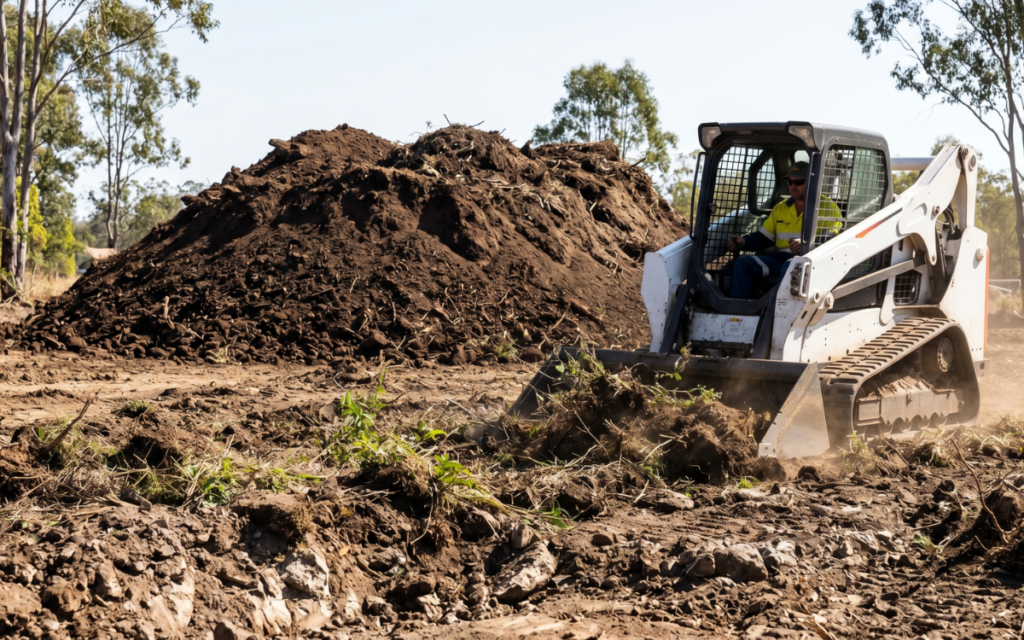
Now the heavy lifting starts. This is the part most people picture when they hear Earthworks. The crew cuts high spots, fills low spots, and reshapes the ground to match the approved design. On a flat site, that might sound easy. On a sloping or uneven site, it turns into a careful balancing act.
Here is a simple way to think about it:
| Stage | What happens | Why it matters |
| Cut | High ground gets removed | Creates the right level and shape |
| Fill | Low ground gets built up | Supports the planned finished height |
| Compact | Layers get tightened | Helps prevent sinking later |
| Trim | Final surface gets shaped | Sets the site up for construction |
Bulk Earthworks often take the longest because the crew needs to move a lot of material without losing accuracy. One wrong level can throw off drainage, slab prep, and retaining wall placement. That is why skilled operators matter so much. They do not just push dirt around. They shape the site with a purpose.
Step 4: Drainage Design and Stormwater Control
If I had to pick the most underrated part of Earthworks, I would choose drainage. Water never forgives bad planning. It always finds the weakest point, and then it makes itself at home. In Wide Bay, where rain can roll in and change the site mood fast, drainage needs to sit at the centre of the job.
Good drainage work during Earthworks usually includes:
- setting the right fall away from buildings
- creating clear water paths
- protecting low spots from pooling
- planning for stormwater and runoff
- keeping soil erosion under control
This step protects the site during construction and after handover. It also helps every other trade do their job without battling mud, washouts, or soggy access tracks. That is a small detail with very expensive consequences.
Step 5: Compaction and Ground Stabilisation
After the site reaches the right shape, the next job is to make sure it holds that shape. That is where compaction comes in. In plain English, the crew tightens the soil so it does not shift around later. Good compaction gives the build a stronger base and helps prevent movement under slabs, pathways, and driveways.
This part of Earthworks often involves:
- compacting in layers, not all at once
- checking moisture levels before rolling
- testing the ground where needed
- fixing soft spots before moving on
A lot of people think compaction is just a machine driving over dirt a few times. It is not that casual. It needs the right moisture, the right layer thickness, and the right equipment. When I see it done well, I know the rest of the project will have a better shot at staying clean and stable.
Step 6: Trenching, Service Runs, and Final Shaping
Once the base looks right, the site usually moves into trenching and final shaping. This is where the Earthworks team prepares for services like water, sewer, drainage, power, and communication lines. It is also where the final levels get tightened up so the next trade can move in without fuss.
At this point, the site starts to look less like a dirt puzzle and more like a construction site with a plan. The best crews work closely with builders, surveyors, and service installers so the trenches, pads, and access areas all line up properly.
A good final trim also makes a big difference to the finished look. Straight edges, clean falls, and tidy corners do not just look professional. They help the whole project run better from here on out.
Step 7: Quality Check Before Handover
Before anyone calls the Earthworks complete, I always want a proper final check. This is the moment where the crew looks back over the site and makes sure the levels, slopes, compaction, and drainage all match the plan. It is a lot easier to fix a small issue now than a big issue after the slab goes down.
A final site check often covers:
- level accuracy
- compaction results
- drainage direction
- trench depths
- surface finish
- access for the next stage
This is also where communication matters. If the builder, surveyor, and earthmoving team stay aligned, the handover feels smooth instead of messy. And smooth handovers are the secret ingredient nobody puts on the signboard.
For a plain-English safety refresher, I often point crews to Safe Work Australia’s excavation guidance. It is a useful reminder that Earthworks and excavation need careful planning, especially where ground movement and site safety sit side by side.
What Can Go Wrong With Earthworks?
Even a strong Earthworks plan can run into trouble if someone cuts corners. I have seen small mistakes grow into full-blown delays because one detail got ignored early on. Usually, the problems come from poor drainage, rushed compaction, bad site access, or not checking the soil properly.
Common issues include:
- soil settling after the build starts
- water pooling near the slab
- trench collapse risks
- machine access problems
- damaged underground services
- extra costs from rework
The good news? Most of these problems are avoidable. A careful team, a proper survey, and a clear method usually keep the job on track.
Choosing the Right Earthworks Team in Wide Bay
Not every crew works the same way, and that matters. When you hire for Earthworks, you want more than machine power. You want people who listen, plan well, and know how to read a site before they touch it.
Look for a team that:
- explains the process clearly
- understands local soil and weather conditions
- uses the right equipment for the job
- keeps the site clean and safe
- communicates well with builders and surveyors
If a contractor talks only about speed and not about quality, I would pause. Fast is nice. Correct is better.
Conclusion
A successful build starts long before the concrete truck arrives, and Earthworks sit right at the centre of that story. When you clear the site properly, shape it with care, manage drainage, compact the ground, and finish with a sharp final trim, you give the whole project a much better chance of staying on time and on budget.
In Wide Bay, that extra attention matters even more. Local conditions can shift fast, and a well-prepared site helps you stay ahead of the weather, the soil, and the surprises that always seem to turn up uninvited.
If you are planning a project and want the ground prepared properly, speak with a team that treats Earthworks like the foundation of the whole build, because that is exactly what it is.
Ready to get your site moving in the right direction? Reach out to a local earthworks team in Wide Bay and start with a proper site plan before the first machine arrives.
FAQs
1. What does earthworks mean in construction?
Earthworks refers to the process of moving, shaping, removing, and compacting soil or rock to prepare a site for building. It usually includes clearing, cutting, filling, grading, trenching, and final shaping.
2. How long do earthworks usually take?
The timeline depends on the site size, soil type, access, weather, and project scope. Small jobs may take a day or two, while larger construction sites can take much longer.
3. Why is compaction important in earthworks?
Compaction tightens the soil so it stays stable under the finished structure. Without it, the ground can settle later and create cracks, movement, or drainage problems.
4. Do I need drainage planning before earthworks start?
Yes. Drainage should sit at the front of the plan, not the back of it. Good drainage helps stop pooling, erosion, and water damage during and after construction.
5. What should I ask before hiring an earthworks contractor?
Ask about site experience, equipment, drainage planning, soil handling, safety steps, and how they communicate with builders and surveyors. A good contractor answers clearly and confidently.