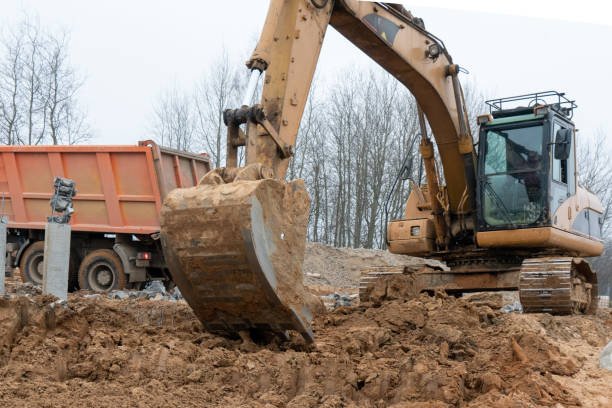
When you look at an earthworks project, it can feel simple on paper and wildly different in real life. One minute you are clearing a patch for a shed, and the next you are dealing with tight access, stubborn soil, drainage issues, and a deadline that suddenly feels very personal. That is exactly where a wet hire excavator starts to make sense.
In plain English, wet hire means you get the machine and the operator. So instead of paying for equipment and then hoping everything goes smoothly, you get someone who knows how to move dirt without making a mess of your day. That matters a lot in Wide Bay, where sites can range from suburban blocks to more open rural properties.
For local jobs, I’d start with our wet hire excavator in the Wide Bay page because it fits the kind of work most people actually need: practical, efficient, and handled by someone who understands the site before the first bucket even drops.
Why wet hire makes more sense than going it alone
A lot of people compare wet hire to dry hire and think the only difference is who sits in the seat. It is bigger than that. Wet hire brings judgement, speed, and fewer expensive “oops” moments. And let’s be honest, earthworks has enough surprises already without you learning how to operate a machine under pressure.
1) You save time from the first hour
Time is usually the first thing earthworks chews up. With a wet hire excavator, you do not spend half the day reading controls, adjusting to the machine, or second-guessing bucket angles like you are trying to land a plane.
An experienced operator gets straight into the job. They know how to trench cleanly, shape batters properly, and dig to the right level without backtracking ten times. That means your project starts moving faster, and the rest of the trades can follow on without waiting around.
2) You get local know-how, not guesswork
Wide Bay properties can vary a lot. Some sites have soft ground, some have clay, and some seem determined to test your patience from the first scoop. A wet hire excavator gives you a person who can read those conditions before they turn into delays.
That local knowledge matters for tasks like:
- site preparation
- trenching for services
- driveway excavation
- land clearing
- landscaping earthworks
- tight access jobs
A skilled operator knows when to go gentle, when to change approach, and when the site needs a smarter plan rather than a harder push. That kind of judgement is worth its weight in diesel.
3) You reduce risk on a busy site
Earthworks can look straightforward until a trench edge starts crumbling, a hidden service line appears, or the ground behaves differently from what you expected. A wet hire excavator helps you manage that risk because the operator brings experience, caution, and better control.
The job gets done with more care around structures, driveways, fences, retaining walls, and landscaped areas. That means fewer knocks, fewer reworks, and fewer “we’ll need to fix that later” conversations. Nobody enjoys those. Not the builder, not the client, and definitely not the wallet.
4) You keep costs under control
Wet hire can look more expensive at first glance, but the real cost often shows up in the time and mistakes you avoid. If you hire a machine dry, then spend hours learning how to use it, every hour drags. If you dig too deep, damage an edge, or need to redo sections, the savings disappear fast.
A wet hire excavator often makes better financial sense because you pay for productivity, not just machinery. You also avoid extra costs from:
- unnecessary fuel burn
- equipment misuse
- site damage
- slow progress
- hiring the wrong machine for the job
It is a bit like paying for a chef instead of buying a fancy knife and hoping your noodles turn out like a restaurant meal. Possible? Sure. Smart? Not always.
5) You get flexibility when the job changes
Earthworks plans love to change. One day you need a simple trench, and the next you discover the site needs extra cut-and-fill work, drainage tweaks, or a reshaped access track. That is normal.
A wet hire excavator gives you flexibility because an experienced operator can adapt on the spot. They can switch between tasks, read the ground, and adjust the method without throwing the whole day off balance. That makes the service especially handy for residential earthworks, landscaping projects, and small-scale civil jobs where the scope can shift quickly.
6) You stay closer to safety and compliance
This is the bit people sometimes skip until it becomes a problem. Excavation is not just about digging a hole and calling it a day. It involves safety planning, ground awareness, and proper control of risks. That is why I always think it helps to keep the official guidance in mind, like Safe Work Australia’s excavation guidance, which sets out how excavation work includes trenches, shafts, and tunnels and why risk management matters from the start.
A wet hire excavator supports that approach because you are not relying on guesswork. You are working with someone who understands safe operation, site awareness, and the practical steps that keep the project moving without turning it into a hazard zone.
7) You get a cleaner result with less stress
There is a real difference between “done” and “done properly”. A good operator leaves cleaner lines, neater levels, and less mess around the site. That makes the next stage easier, whether you are pouring concrete, laying pipe, preparing a driveway, or starting landscaping.
A wet hire excavator also reduces stress for you. You do not need to babysit the machine, worry about controls, or play detective when the final levels look off. You can focus on the rest of the project while the excavation gets handled properly.
Wet hire vs dry hire: a quick comparison
| Option | What you get | Best for | Main downside |
| Wet hire excavator | Machine + operator | Fast, safer, professional earthworks | Higher upfront rate |
| Dry hire | Machine only | Skilled operators who want DIY control | More risk, more time, more learning |
Where wet hire makes the biggest difference
I usually see the strongest value from a wet hire excavator on jobs where precision matters more than brute force. That includes new home prep, trenching for services, pool digs, driveway cuts, drainage work, and tight-access sites where one wrong move can cost you.
It also makes sense when the job sits on a timeline. If your builder, concreter, plumber, or landscaper needs the ground ready by a certain day, wet hire helps keep the whole chain moving. No one likes a site that stalls because the digging part became a weekend science experiment.
What to look for before you book
Before you book a wet hire excavator, I would check a few simple things. First, make sure the operator understands the type of work you need. A trenching job calls for a different touch than land clearing or driveway excavation.
Second, ask about access. Tight driveways, soft ground, and sloping blocks all need a slightly different approach. Third, be clear on the end goal so the operator can plan the right method, not just the fastest one.
That conversation saves time later. It also gives you a much better chance of getting the finish you actually want rather than a rough “close enough” result.
Conclusion
A wet hire excavator gives you more than a machine. It gives you speed, local knowledge, better safety, fewer mistakes, and a result that looks sharp instead of rushed. For earthworks in Wide Bay, that combination can make the whole job feel a lot smoother.
If you are planning site works, trenching, driveway excavation, or landscaping prep, I would strongly consider wet hire before anything else. It keeps the project moving, keeps the stress down, and helps you get the job done properly the first time.
Ready to get your earthworks moving? Check out the service page, lock in the right machine and operator, and give your project a cleaner start from day one.
FAQs
1. What is a wet hire excavator?
A wet hire excavator includes both the machine and a skilled operator. You do not just hire the equipment; you hire the person who knows how to use it well.
2. Is wet hire better than dry hire for earthworks?
For most people, yes. Wet hire works better when you want faster progress, safer operation, and a neater finish without learning to run the machine yourself.
3. Can a wet hire excavator help with tight access jobs?
Absolutely. A good operator can work carefully around narrow spaces, fences, trees, and buildings while still getting the job done efficiently.
4. What kinds of projects suit wet hire?
Wet hire suits trenching, site prep, land clearing, driveway cuts, drainage work, landscaping, and general residential earthworks.
5. Does wet hire save money overall?
Often, yes. Even if the hourly rate looks higher, wet hire can save money by reducing delays, mistakes, rework, and damage on site.