The warm Queensland sun makes any garden project feel like a life-or-death mission for plants. I learned early on that in Wide Bay, the secret ingredient is the earth beneath your feet.
Whether you’re leveling a new garden bed, raising a shed pad or sprucing up your lawn, quality soil is the unsung hero that will make your project sing. This guide covers everything you need to know about sourcing and using topsoil & fill dirt supply for projects in the Wide Bay area.
What Are Topsoil and Fill Dirt?
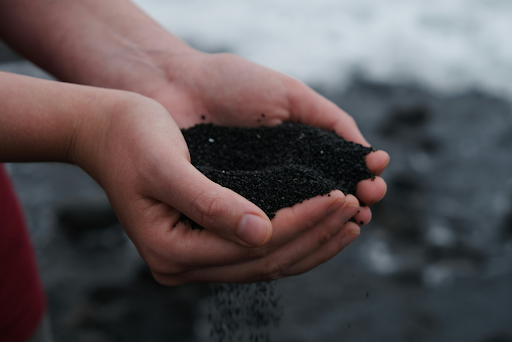
Topsoil is the dark, crumbly layer on top of the earth where plants flourish. It’s loaded with organic matter, nutrients, and that earthy smell we love. Think of it as nature’s overcoat nurturing seeds and new grass.
Fill dirt, by contrast, is the rough-and-ready subsoil underneath. It’s usually higher in clay or sand and has fewer nutrients. Use topsoil where you’ll be planting – lawns, gardens or flower beds. Use fill dirt to raise low areas or level ground, like filling in holes or building up a base where structures will sit.
Finding Soil in Wide Bay
In Wide Bay you’ve got options. Local landscapers, turf suppliers and excavation outfits often have bulk soil for sale. Many offer delivery straight to your site, saving your back from hauling wheelbarrows.
For example, if you need the Best Topsoil & Fill Dirt Supply Service in the Wide Bay area, local excavation companies can deliver and even spread it for you. This is especially handy in tight yards. A quick tip: talk to a few places about volume and truck access to get accurate quotes.
Check the Soil Quality
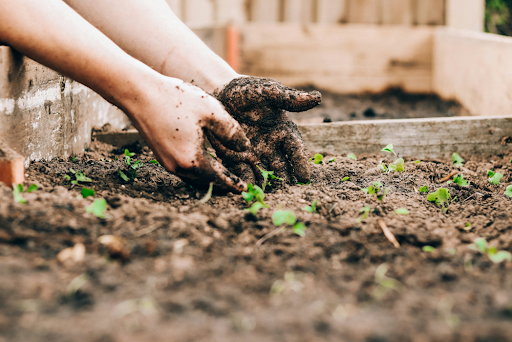
When prepping a new garden bed, you want to feel that rich topsoil in your fingers. It should be dark, crumbly and smell earthy, not dry, pale or brick-like. A quick DIY test: pinch a handful of the soil. If it holds together in a loose ball and then gently crumbles when prodded, you’ve got a decent loam.
Quality matters. Before you fork out for truckloads of soil, inspect a sample. Ask the supplier: does it have weed roots or trash? Is it free of sticks and rocks? A few telltale cues: topsoil should be a uniform brown-black (too grey could mean ash or lime).
If it’s truly good topsoil, it’ll have at least 2–3% organic matter and a near-neutral pH so your plants aren’t doomed from Day 1. If possible, grab a small bag and do a quick germination test by planting some grass seed to see how it sprouts.
- No nasties: Make sure it’s free of weeds, seeds and debris. Noxious weeds in imported soil can be a nightmare.
- Texture: Aim for a sandy loam or loam texture. It should be slightly grainy but hold moisture.
- Smell & colour: Dark and earthy-smelling is a green light; a chemical or burnt smell means steer clear.
- Screened/graded: Screened topsoil has no big clumps or rocks and is ready to plant right away.
Table: Topsoil vs Fill Dirt
| Feature | Topsoil (Garden-Ready) | Fill Dirt (Structural) |
|---|---|---|
| Typical Texture | Sandy loam, friable | Heavy clay or sand mix |
| Organic Content | High (nutrient-rich, dark) | Low (mostly subsoil) |
| Best Use | Lawns, gardens, landscaping | Leveling, backfill, bases |
| Drainage | Good (lets air & water in) | Poorer (stiffer, compacts) |
| Screening | Usually screened clean | Often unscreened or raw |
Using Your Soil
Once you have the goods, site prep is key. Clear the area of old grass, weeds or debris first. If using fill dirt (for instance, to raise a low spot or fill a trench), add it in 10–15 cm layers. After each layer, lightly tamp or stomp it down. This avoids future sinking – you don’t need a roller for a garden, just your own two feet or a simple garden tamper.
When spreading topsoil, rake it evenly to about 10–20 cm thickness over your beds or lawn area. Shovel it on, then drag or rake to smooth it out. Don’t bury everything too deep – think of it like laying a blanket: roots still need air. As a rule of thumb, about 5–10 cm of topsoil on garden beds and around 10 cm under new turf is plenty. After spreading, you’re ready to plant, seed, or lay turf. A light watering to settle the soil can help as well.
Delivery & Pricing
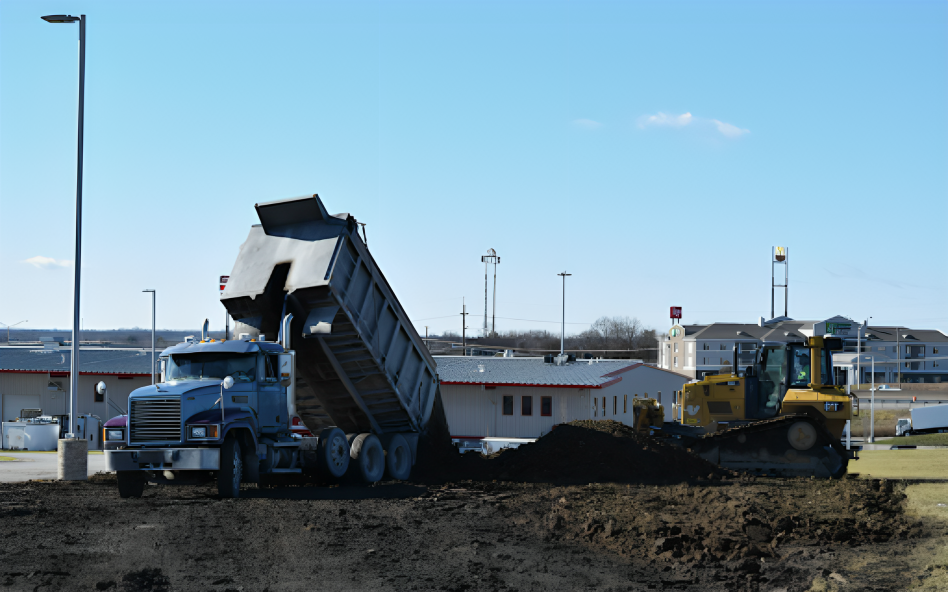
Getting soil delivered is usually easiest. Suppliers will bring it in tipper or articulated trucks, depending on your volume and driveway. Always check access: a big truck might not fit in a skinny driveway, in which case smaller loads or manual spreading might be needed.
Soil is typically priced by the cubic metre or by the tonne. As a rough guide, 1 m³ covers about 10 m² at 1 cm depth and weighs roughly 1 tonne. For example, a 50 m² lawn at 10 cm deep needs about 5 m³ of soil. Costs vary by supplier and distance, so get a few quotes.
Local Tips & Sustainable Options
Wide Bay folks love a bit of DIY and eco-friendly thinking. Check if your local council offers bulk compost or mulch from green-waste programs some Queensland councils sell turned-over tree clippings and grass trimmings as cheap compost.
Mixing some of that into topsoil can be a cheap fertility boost. Likewise, mixing in organic matter like well-rotted manure or homemade compost is a savvy move for sandy soils. In short, waste not, want not – great soil can come from recycled sources too.
Soil Standards & Guidelines
Don’t forget the rules. Local regulations can affect what soil you can use. For example, Queensland planning guidelines require imported topsoil to be a “friable sandy loam” free from toxic substances and noxious weed seeds. In plain terms, it should be clean, earthy garden dirt – not construction rubble. Also, some parts of Wide Bay have naturally acidic soils, so many gardeners add lime to new beds to sweeten the soil.
Conclusion
Quality soil sets the foundation (literally) for any project. From lush veggie patches to solid shed bases, investing in good topsoil and fill dirt pays off. If you’re in Wide Bay, source locally you’ll get soil suited to our climate, support community businesses, and keep those road miles low.
Now you know what to look for and how to use it. Grab that shovel and get cracking your garden (or lawn, or building pad) will thank you. Ready to build that perfect base? Call a local soil supplier or our recommended Topsoil & Fill Dirt Supply service today and let the plants flourish!
FAQs
Q: What’s the difference between topsoil and fill dirt?
A: Topsoil is the fertile, organic-rich layer for planting (dark and crumbly), while fill dirt is mostly subsoil with more clay or sand used to build up or level ground. Plants love topsoil; fill dirt provides structure.
Q: How much topsoil do I need for my garden?
A: Calculate area and depth. For example, a 50 m² bed at 10 cm needs about 5 m³ of soil. Most suppliers will help with this calculation if you give them the dimensions.
Q: How can I tell if the soil I’m buying is good quality?
A: Good soil is dark, earthy-smelling, and holds together loosely. It should have no roots or debris. Screened loam is ideal. You can also pot-test it: plant quick-sprouting seeds and see if they grow well.
Q: When should I use fill dirt instead of topsoil?
A: Use fill dirt to raise low spots, fill holes, or support structures (like under slabs or paths). It’s not for planting, so usually you cover fill dirt with topsoil before adding any vegetation.
Q: Where can I get topsoil and fill dirt locally?
A: Look for landscape supply yards, garden centres or excavation companies in Bundaberg, Hervey Bay, Maryborough, etc. Many deliver bulk soil. Local Facebook groups or community boards can offer recommendations too.
Q: How deep should I lay topsoil for a new lawn?
A: Generally, 10–15 cm of good topsoil is enough for a new lawn. Rake it level, then lay your turf on top. This gives grass roots enough soil to establish and thrive.